Beginner Equipment Checklist
In this guide
Starting home training should feel like opening a door, not a wallet. This checklist is deliberately small: it gives you a genuinely complete starter kit, then shows you what to add only after your routine has proven itself.
Month one: the starter kit
- One exercise or yoga mat - your floor space foundation (see how to choose a mat).
- One set of resistance loop bands - light, medium and heavy, for strength and mobility work.
- One long resistance band or a pair of light dumbbells - choose the one that matches the direction your training takes.
- Comfortable clothing and non-slip footwear where needed - usually already in your wardrobe.
That is the entire month-one list. It covers stretching, mobility, bodyweight strength, and loaded work for most beginner programmes.
Month two: reward consistency
If you have trained steadily for about a month, reward the habit, not the ambition. The first upgrade is usually a second resistance level or a heavier pair of dumbbells in small increments, so exercises keep progressing without a jump that breaks form. A foam roller is a sensible second-month addition for the recovery work your routine now justifies.
Optional extras that earn their place
- A jump rope - instant cardio wherever you clear headroom.
- A stability ball - for core variety once mat work is routine.
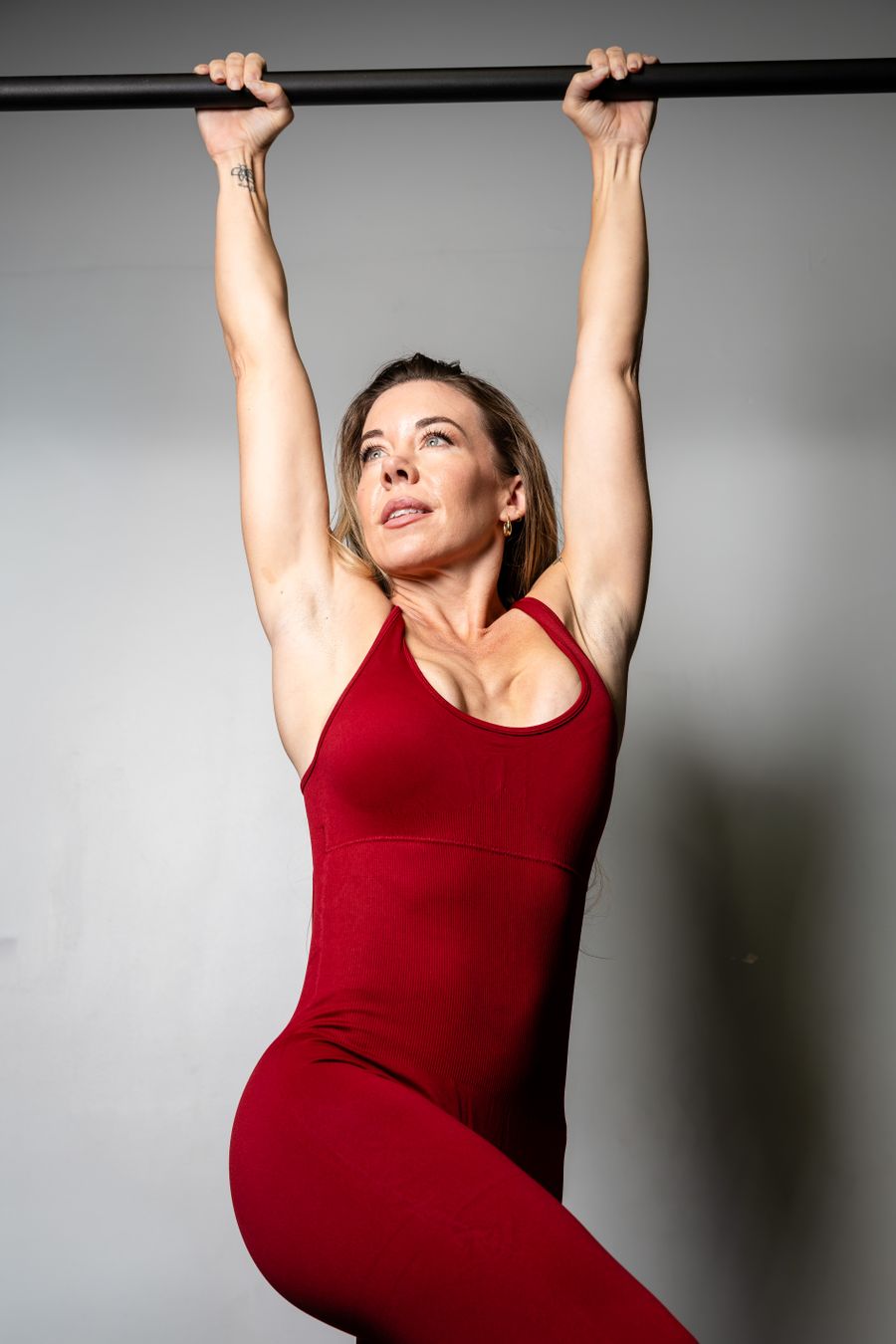
- A pull-up bar - the biggest single-space gain for upper-body pulling, if your doorway can carry it.
- A sandbag or adjustable load - one item that scales with your whole-body lifting.
What beginners should skip
Skip anything whose main selling point is novelty: vibrating plates, "sculpting" devices, ab-shaping gadgets and unweighted fancy bars. Skip branded "starter kits" that bundle five accessories you will use once. And skip anything that promises a result in weeks - equipment cannot deliver that promise, whatever the box says.
Three buying rules that keep it honest
- Buy for the routine you have held, not the one in your imagination.
- Prefer items with a real range - adjustable, progressive or multi-use over single-trick tools.
- Plan the storage first; an item with no home will not last the year.
Follow those three rules and your starter checklist will look the same on month twelve as it did on day one - well used, well cared for and perfectly sized.
Related: How to Build a Simple Home Workout Space · Full equipment guide