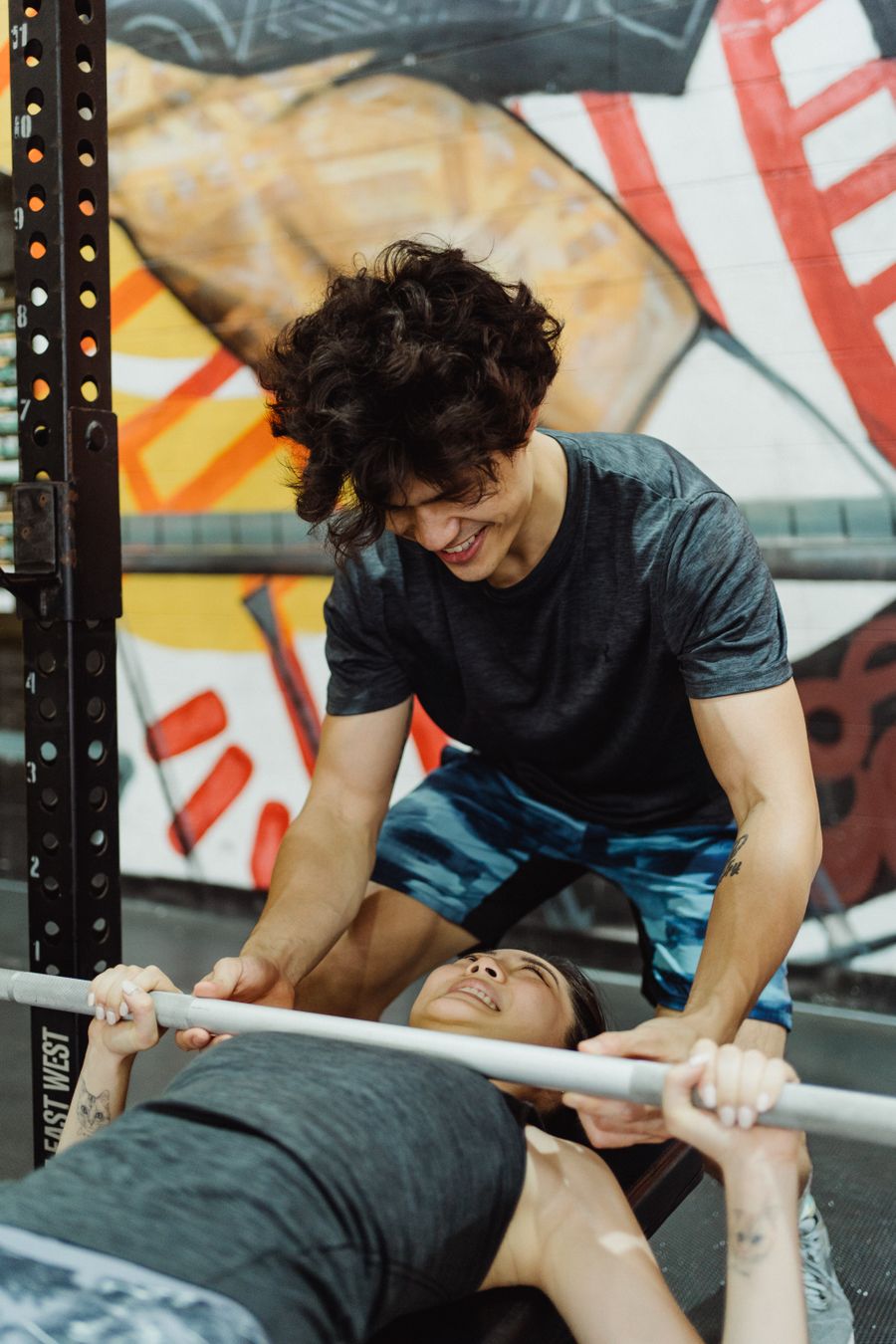
Dumbbells
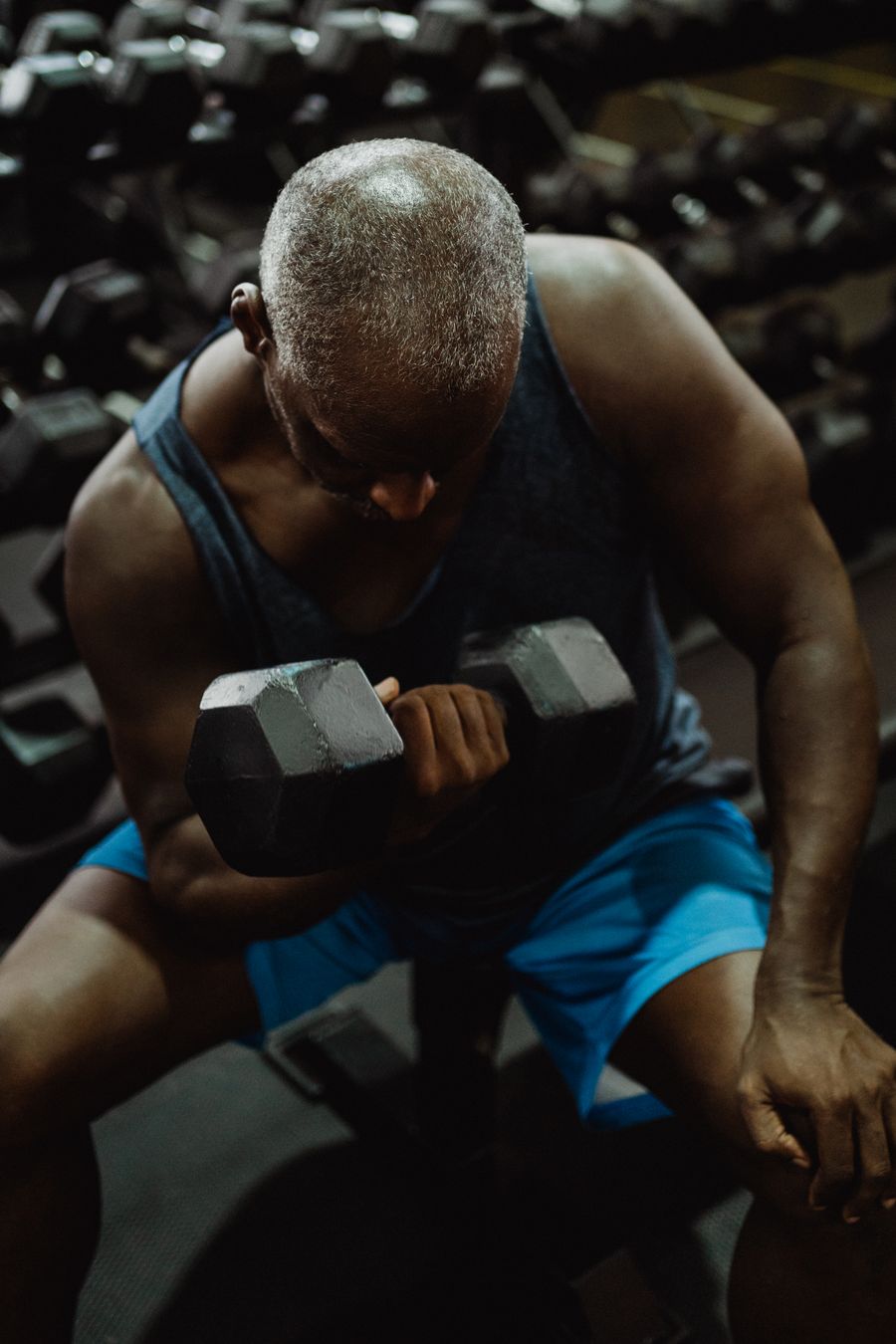
Dumbbells are the most versatile strength tool for most homes. With a modest range of pairs you can cover upper-body, lower-body and core movements, progress in small steps, and train in a compact radius of space.
What to consider: fixed pairs versus adjustable, weight range, grip and storage. Fixed-size pairs are quick to grab but add up in cost and floor space as the range grows. Adjustable dumbbells replace many pairs with one handle and are ideal for limited space, though the change between weights takes a few seconds and mechanics vary by design.
Weight selection matters. Choose sets or increments that let you add a small amount regularly - jumps of 2-2.5 kg for upper-body work, larger for lower-body moves. Check the grip: rubber or textured handles with a firm, comfortable diameter reduce calluses and fatigue. Rubber or hexagonal heads are quieter and less likely to roll on the floor.
Beginner tip: if in doubt, an adjustable pair - or two pairs of fixed dumbbells at sensible weights - will cover far more than a single heavy pair you cannot yet use safely.
Kettlebells
Kettlebells shine for ballistic, full-body movements like swings, cleans and carries, where the loaded handle changes how force travels through the body. They are also extremely space-efficient: a couple of kettlebells can support a serious training block.
Look for a smooth, even handle with room for both hands (important for two-handed swings), a flat base that sits level, and a finish that will not chip. Cast iron is standard and durable; coated and adjustable models trade convenience or floor protection for extra cost.
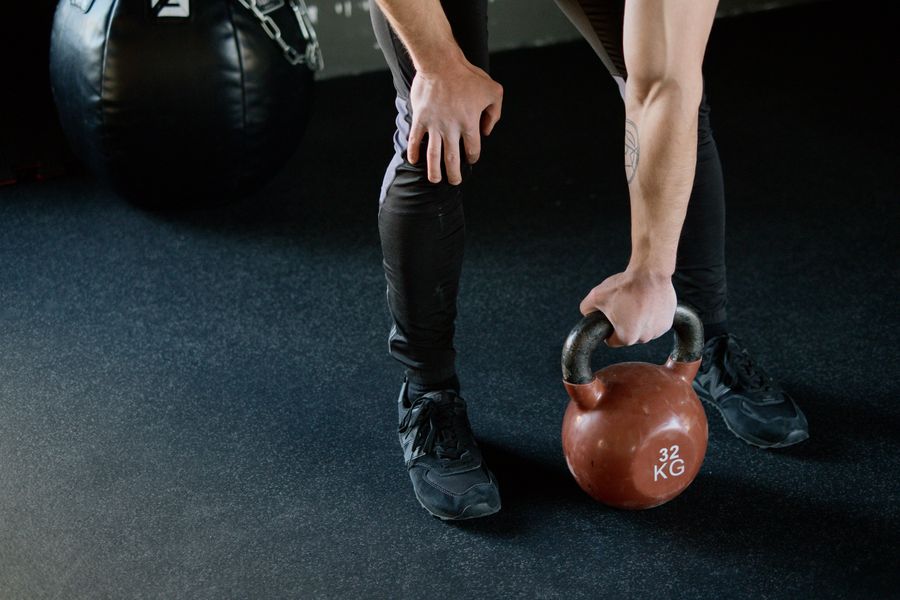
Start lighter than you think - technique matters more than load with ballistic work. If you are new to kettlebells, learn the movements with guidance before loading up.
Adjustable weights
Adjustable dumbbells, plate-loaded handles and adjustable kettlebells are the space-savers of home strength training. One handle can replace a whole rack of pairs, which helps apartments and small rooms enormously.
Trade-offs to understand: dial-based or selector-style systems can be slower to adjust mid-circuit, some designs click-together plates that rattle, and the widest units are bulky when gripped. Verify the adjustment mechanism locks securely and that the claimed max load suits your training. Buying one well-reviewed adjustable system is often cheaper than a full fixed set.
Benches
A bench expands the range of strength exercises you can perform safely - seated presses, rows, chest work with dumbbells and more. An adjustable bench (flat, incline and often decline positions) is the more flexible choice.
Once the bench or its padding feel unstable, safety and form both suffer, so weight capacity and build quality matter here more than price. Soft, thick padding feels comfortable initially but can compress; a firm, grippy pad with a stable base is better long term. Weigh the bench itself, too - heavy benches rarely move around a room easily.
Resistance equipment for strength
Resistance bands and cable-style attachments allow strength training without heavy iron, and they are excellent for warm-ups, accessory work and adding accommodating resistance to barbell or dumbbell lifts. See the exercise equipment page for the full breakdown of band types, resistance levels and care.
Pull-up equipment
A pull-up bar turns a doorway or wall into a training station for pulling strength, hangs and core work. Doorframe-mounted bars are easy to install and remove, while wall-mounted and ceiling-mounted bars (or racks) support heavier loads and varied grips.
Before buying, confirm your doorframe or wall can carry the load, and read the manufacturer's weight limits and installation instructions closely. Cover the surrounding structure if you use a doorway bar - frames can be squeezed by repeated heavy use. Most people progress better with a full range of grips than with the fanciest bar design.
Training accessories
Supporting accessories - wrist wraps, lifting straps, chalk, collars and a mat or platform - improve comfort and safety in specific circumstances. They are rarely essential at the start. Add them when a movement consistently catches you, not because marketing says you need a gear list. A set of collars for loading barbells and a decent exercise mat are the pair most people genuinely benefit from first.
Home gym storage
Weights scattered on floors are a trip hazard and dull your space. Plan storage before you buy: a dumbbell rack or tray keeps pairs tidy, plate trees or wall pegs hold plates, kettlebells sit neatly on a stand or heavy-duty shelf, and resistant bands hang on hooks to air out. Measure the footprint of each item - racks are the practical heart of a home gym.